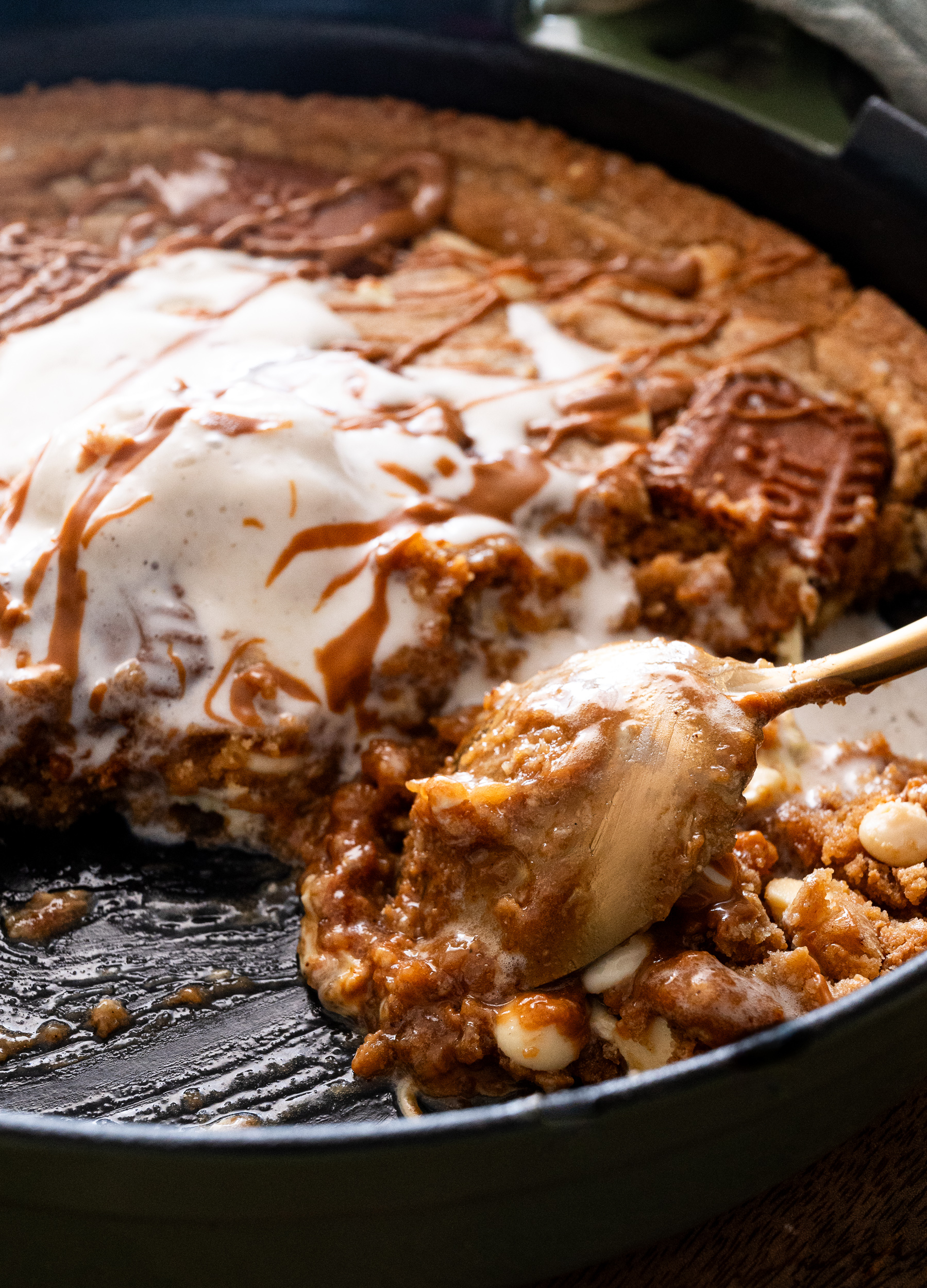
This brown butter Biscoff cookie skillet is built for those moments when you want pure indulgence. And if you are a cookie butter Stan, you'll be please with the layers of cookie butter. It's melted into the brown butter, dolloped throughout the batter, melted on top of the cookie skillet and crushed cookie butter cookies scattered throughout. There's also white chocolate melted into creamy pockets that perfectly balance the spiced caramel flavor. And if you're on a Biscoff kick, you’ll also want to try my Biscoff Icebox Cake and Biscoff Cookies!
Gives it that deep nutty flavor
Optional ingredient that boosts the brown butter flavor
Adds warm spice, caramel notes, and richness. Melted into the butter for a rich, caramel spiced base and dolloped on top of the cookie dough that creates pockets of creamy cookie butter flavor.
Adds moisture, chewiness and a subtle molasses flavor.
Helps create those crispy skillet edges.
Adds structure while keeping the center soft and gooey.
Rounds out all the warm flavors.
Provides structure. Spoon and level or use a kitchen scale for accuracy!
Soft tender texture.
Helps spread and creates golden edges
Enhances sweetness and balances richness.
Creamy sweetness that pairs perfectly with spiced cookie butter.
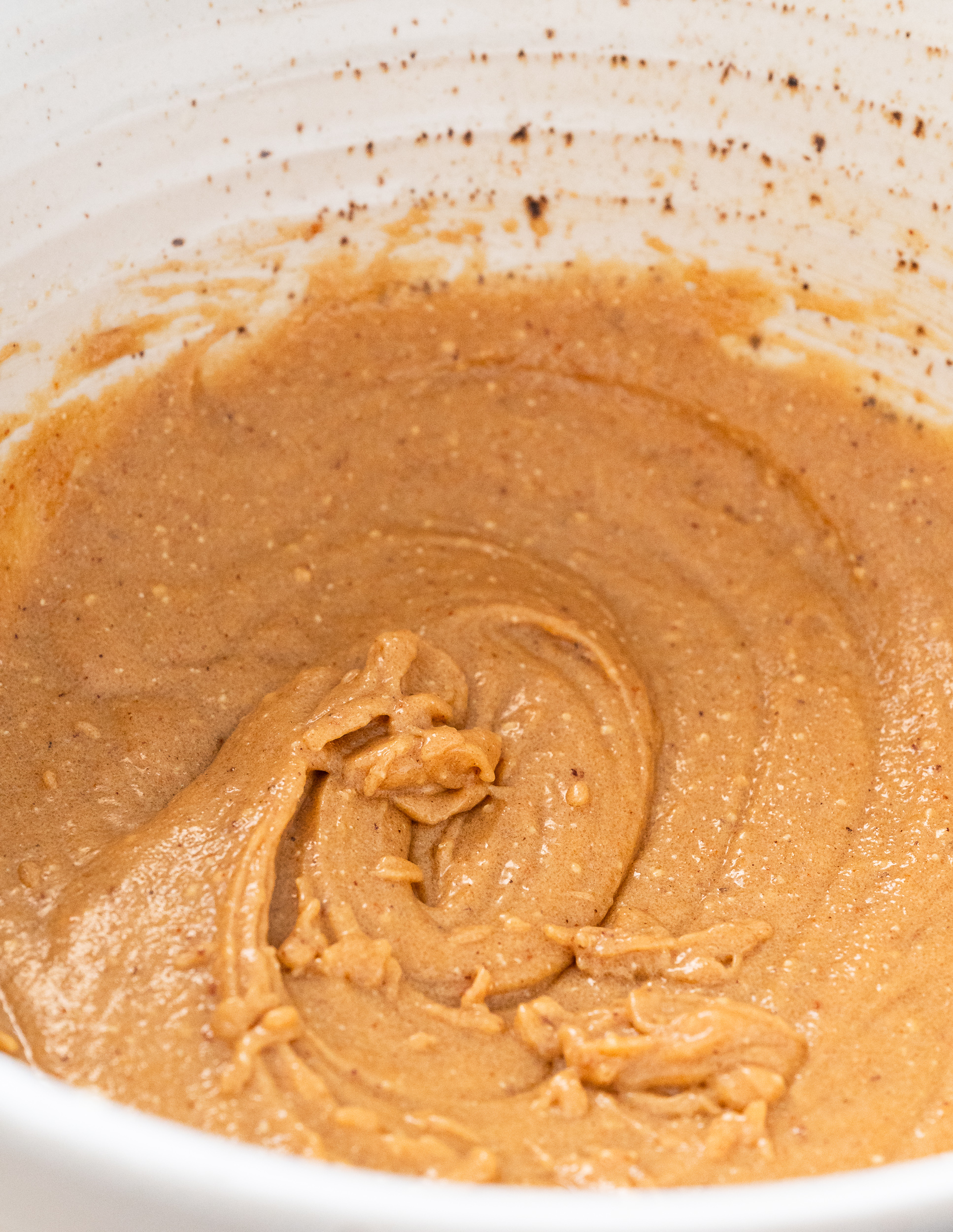
In a small saucepan over medium heat, melt butter. Stir continuously until it turns deep golden brown with a nutty aroma for about 5–7 minutes. Remove from heat, pour into a large mixing bowl and immediately stir in biscoff spread and milk powder if using. Let cool slightly for at least 15 minutes till butter is cool to touch.
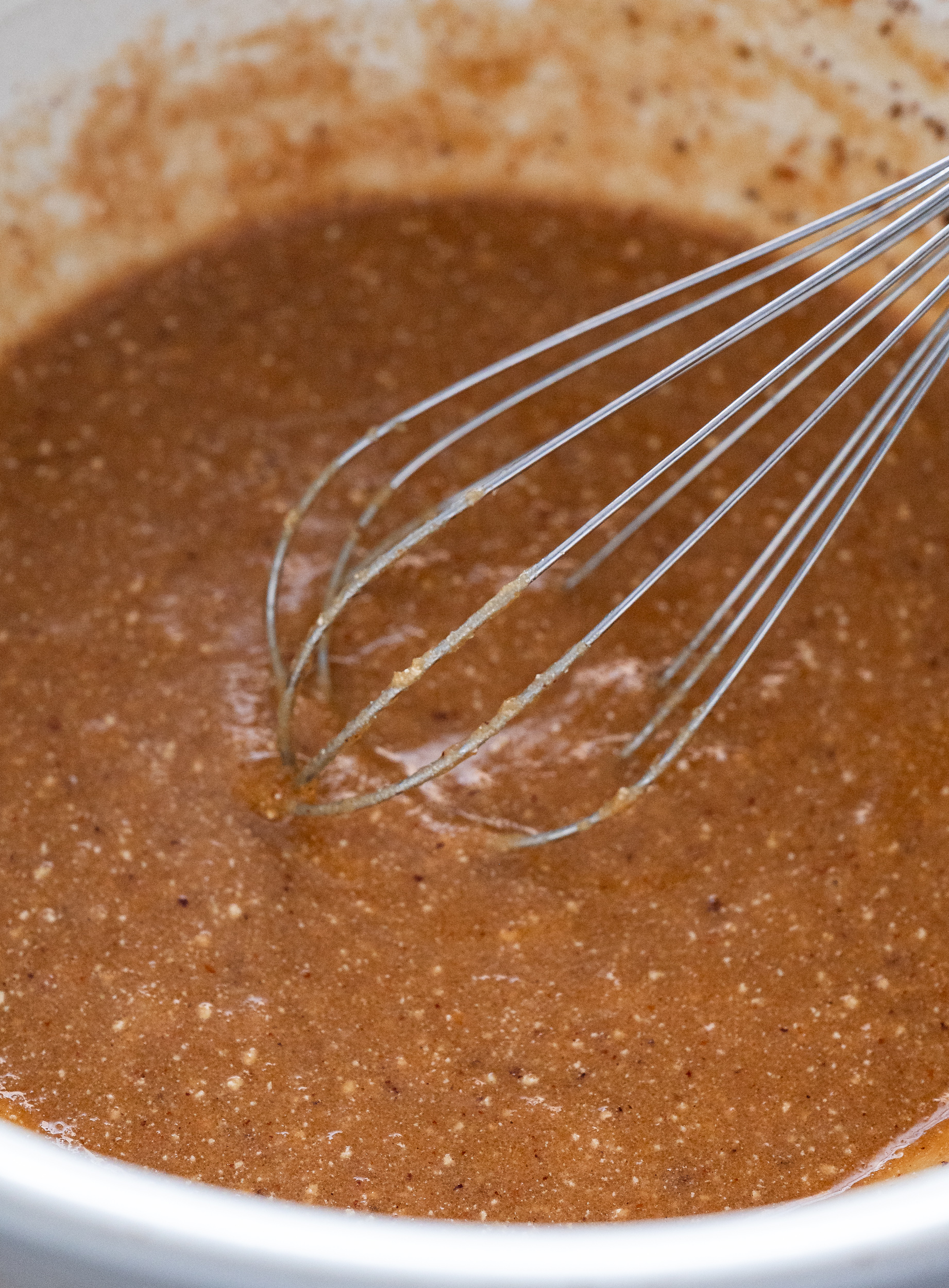
Once the butter has cooled, add brown sugar and granulated sugar till fully combined. Add in egg, egg yolk and vanilla till smooth, thick and combined.
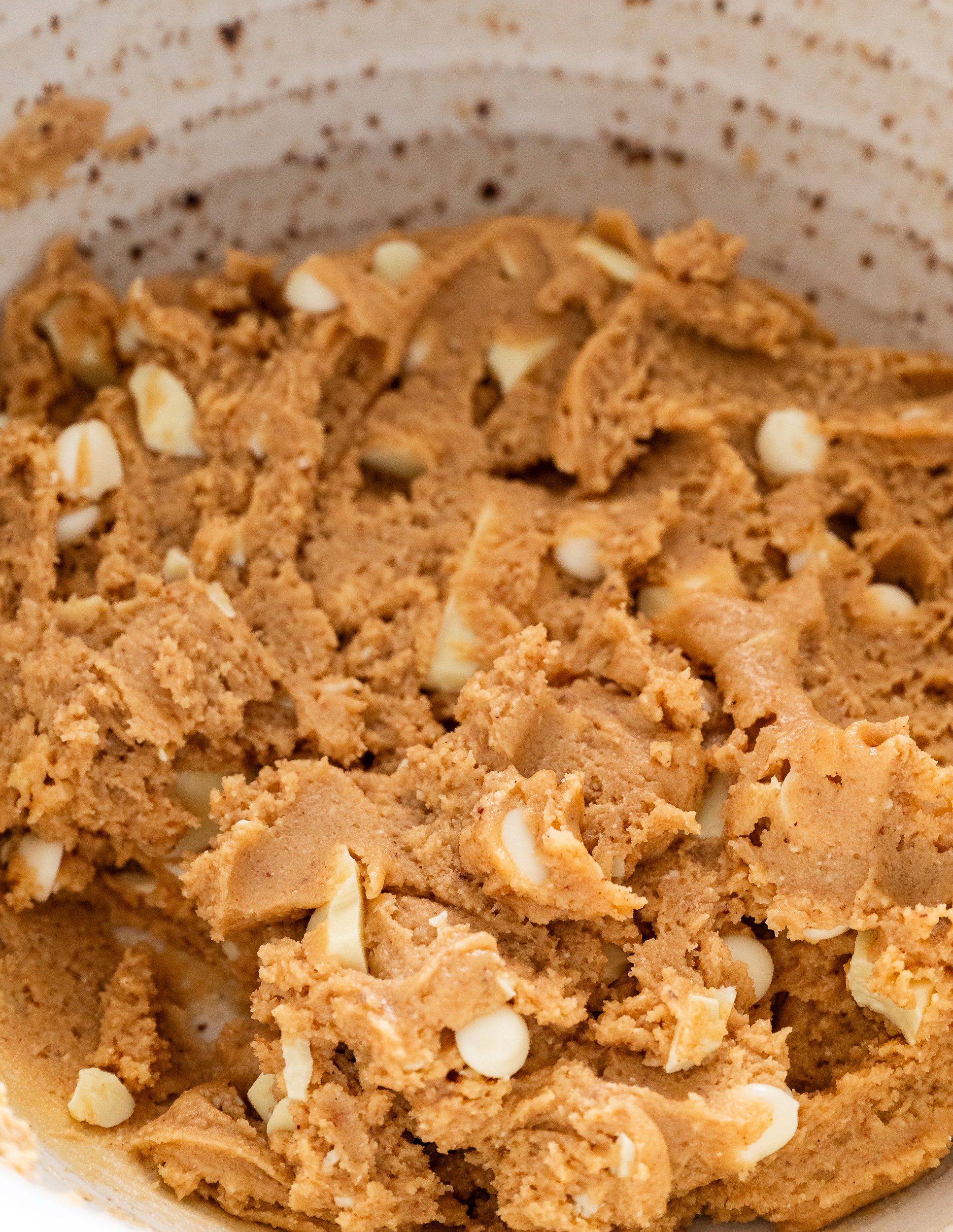
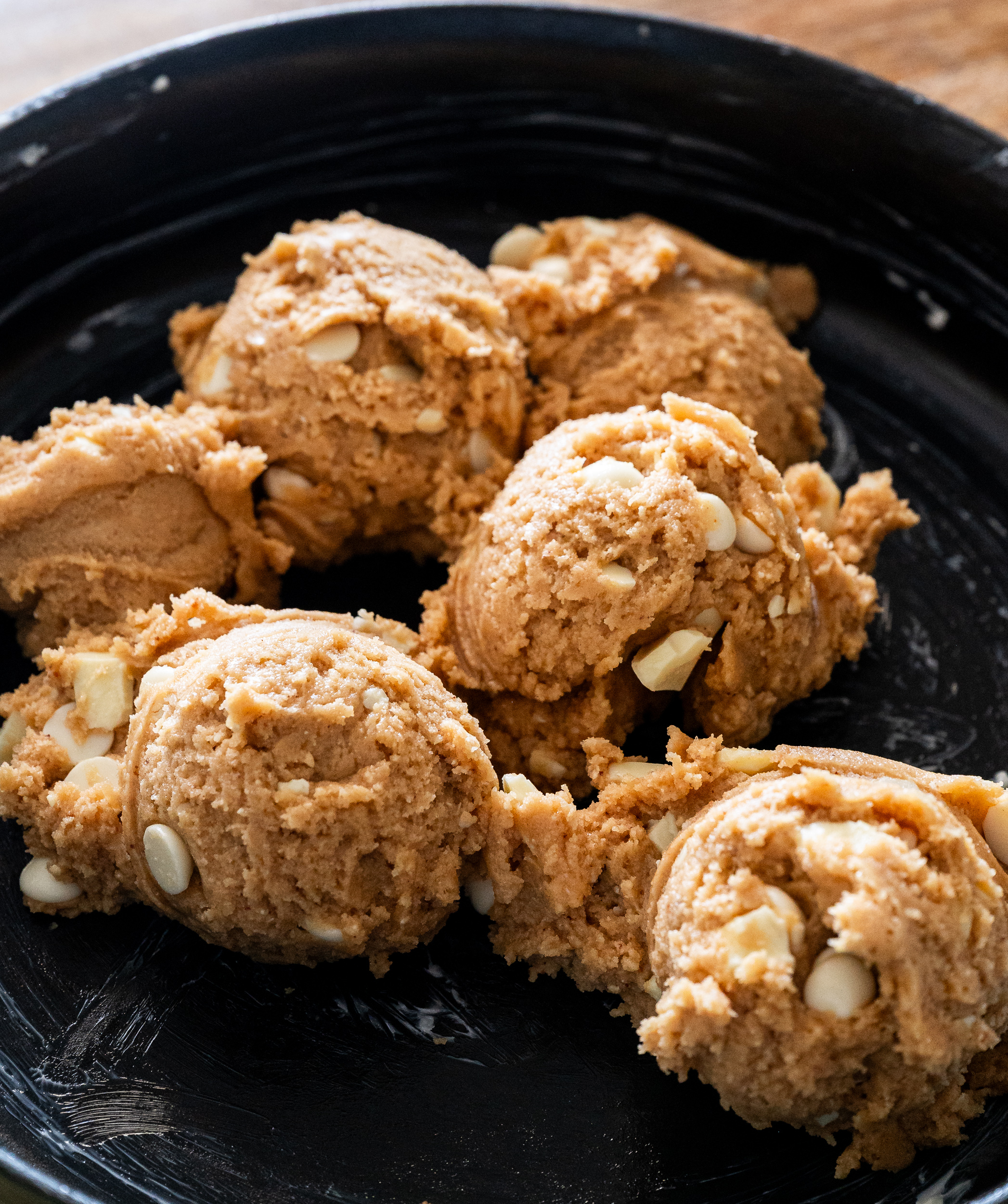
In the same bowl add flour, cornstarch, baking soda, and salt. Mix until just combined with a few visible streaks of flour, then add the white chocolate chips. Do not overmix!
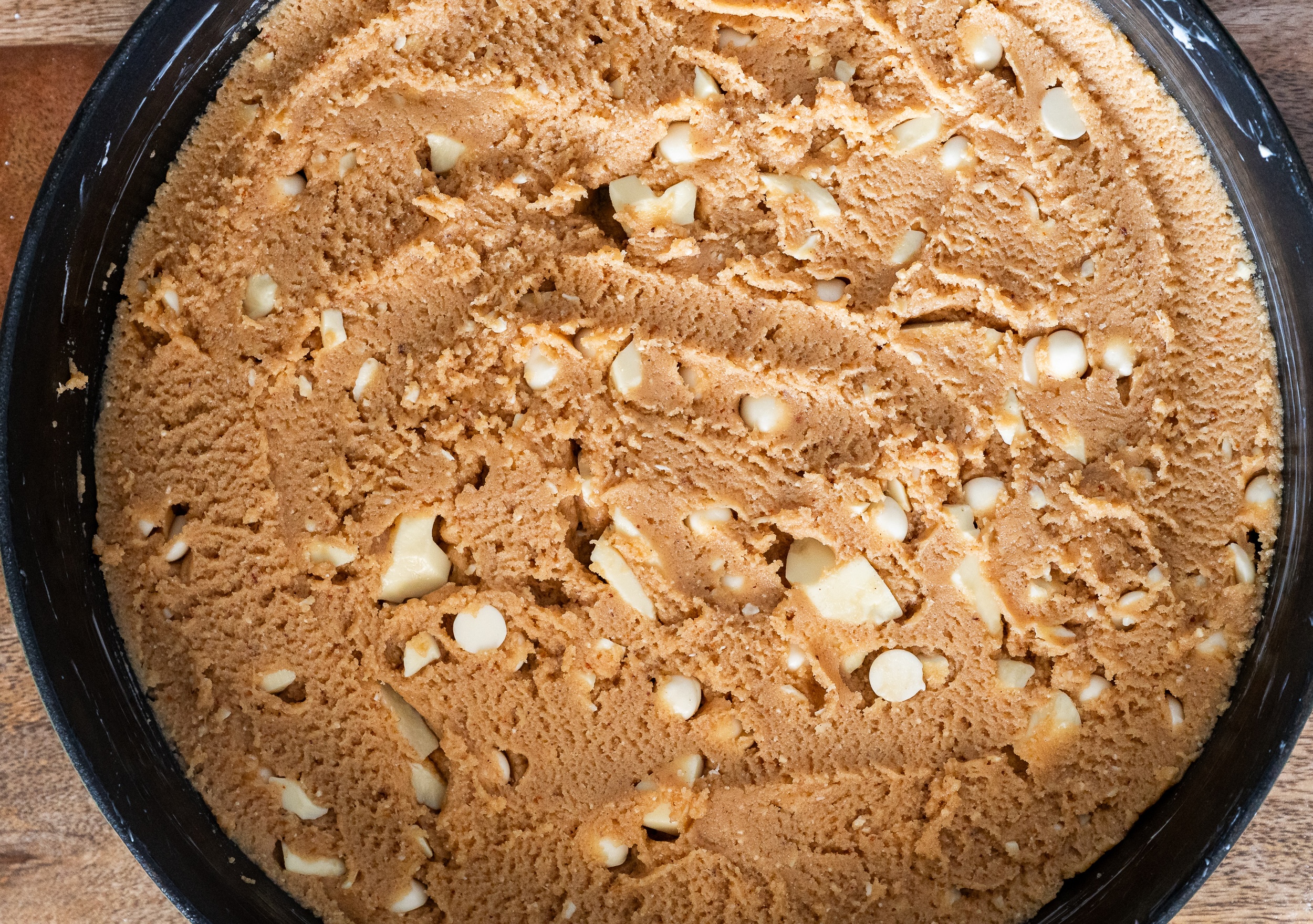
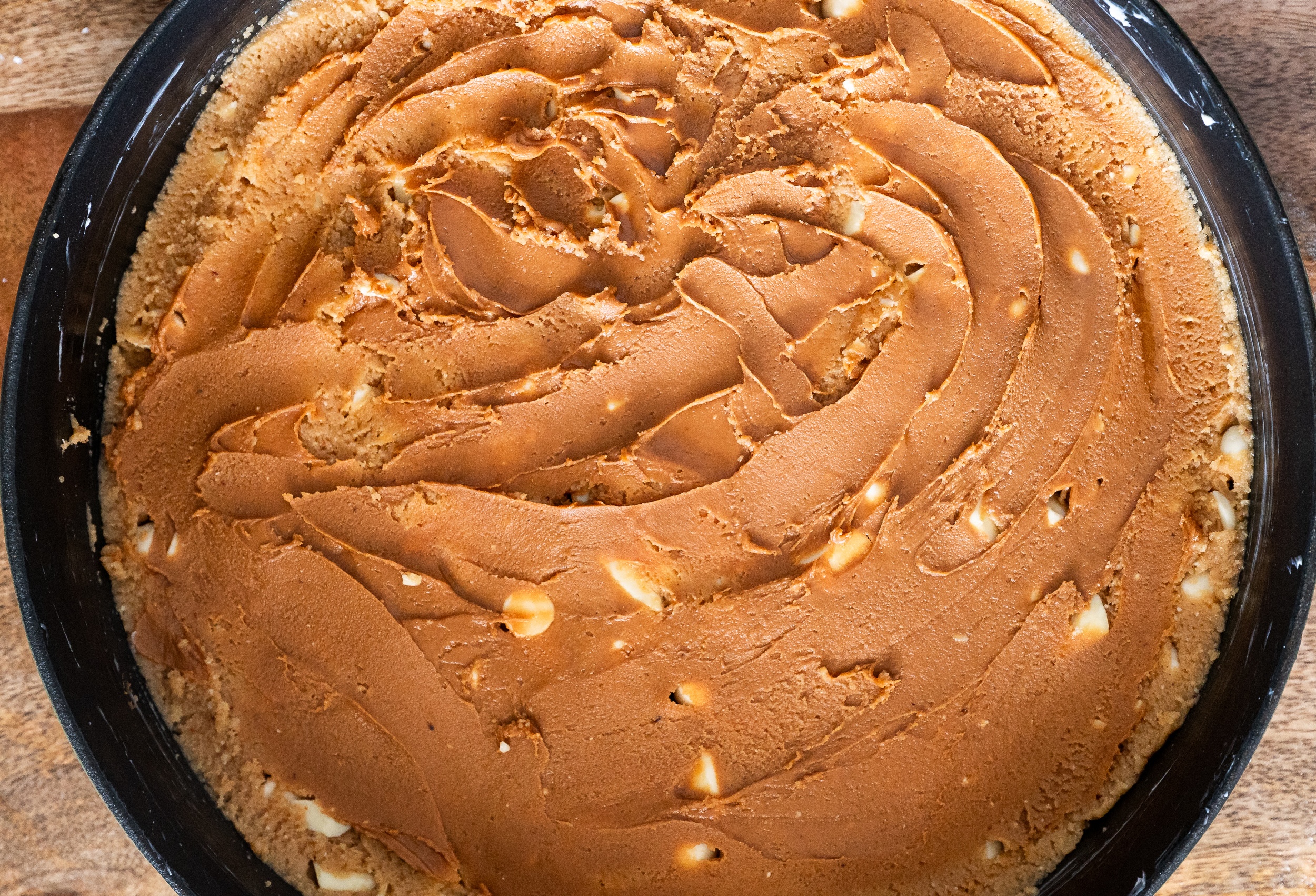
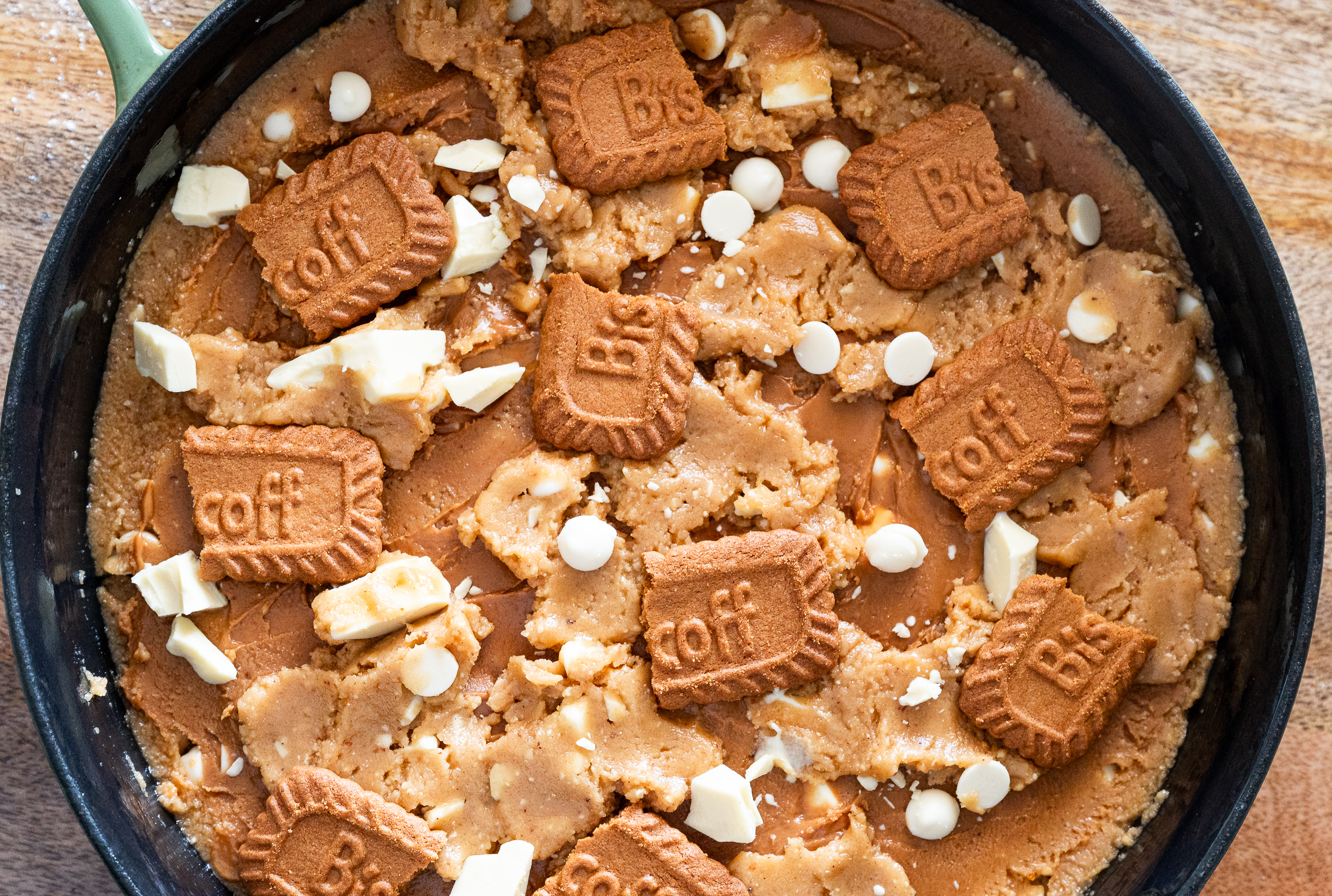
Butter a cast iron skillet and press 3/4 of the dough into an even layer. May have to use a small offset, spatula or a back of a spoon to smooth out the dough. Dollop Biscoff spread across the surface and spread it carefully over the dough, it doesn't have to be perfect. Top with remaining dough in patches it doesn’t have to cover completely. If you like add extra white chocolate chips. You can also add crushed Biscoff cookies on top or press in whole cookies on top.
Bake at 350°F for 20–24 minutes. Remove when edges are golden and the center is slightly underbaked. The center will set as it cools.
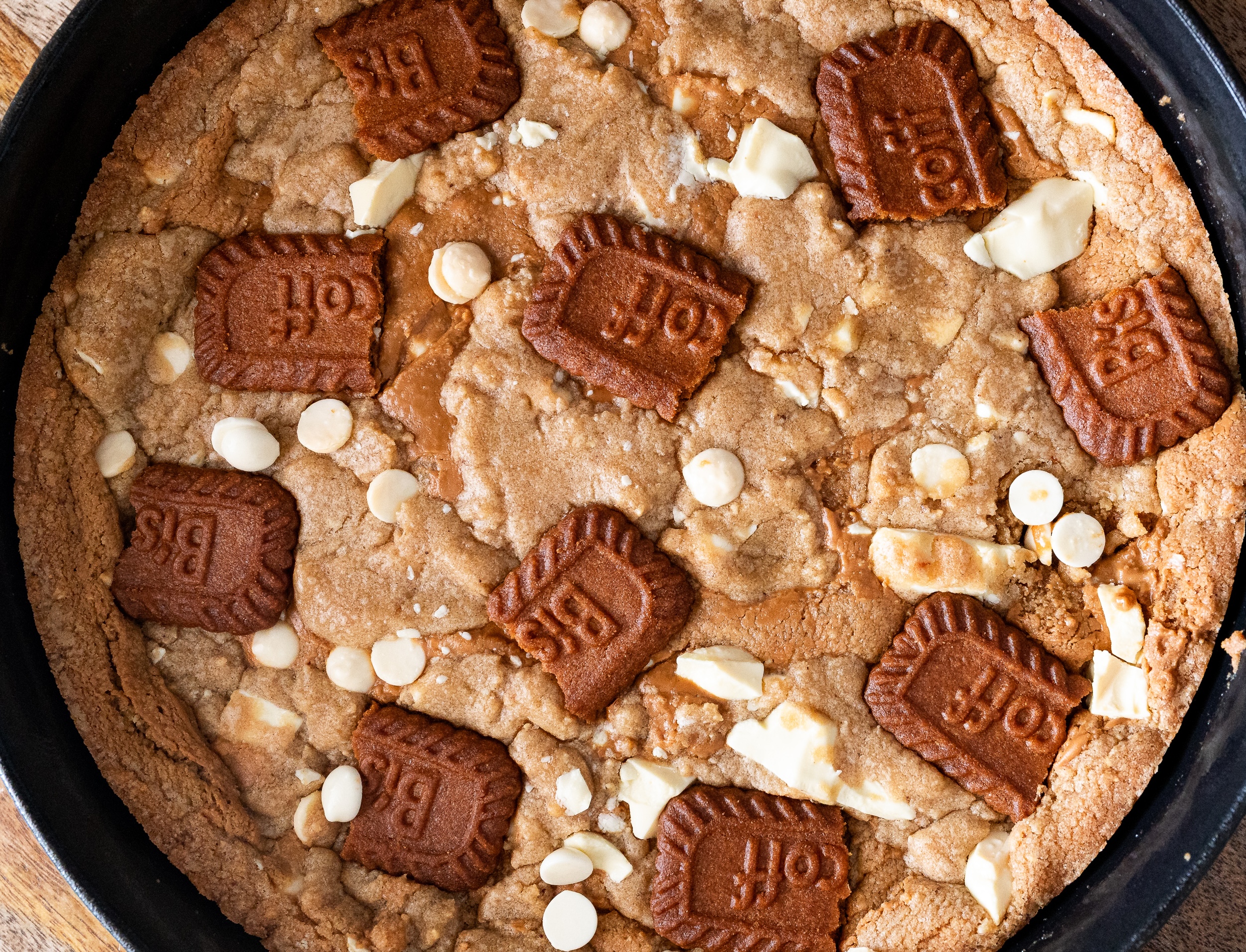
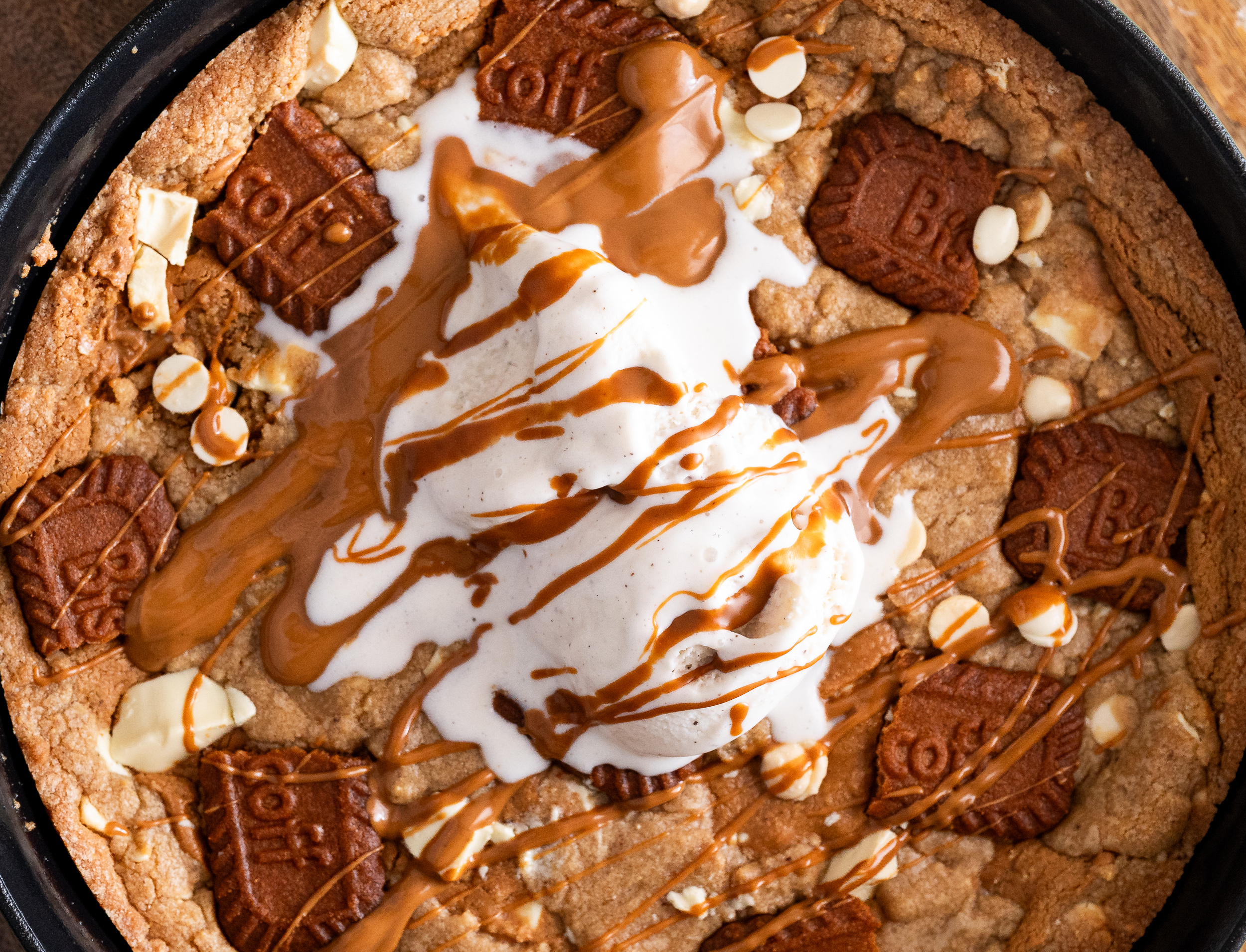
Finish with a drizzle of melted Biscoff spread and crushed cookies and serve warm with a scoop of vanilla ice cream.
Yes! Cookie butter and Biscoff are very similar, but Biscoff has a deeper caramelized spice flavor and thicker texture, which makes the skillet richer and more gooey. If using generic cookie butter, expect a slightly sweeter, less spiced result.
A cast iron skillet is ideal because it holds heat well and creates crispy edges with a gooey center. If you don’t have one, you can use either an 8x8 or 9x9 metal baking pan or an oven-safe skillet. The only caveat is that the edges may be slightly softer.
Likely it was overbooked, too much flour was added or not enough butter. Also, you don't want to overtake the cookie skillet, pull it from the oeven when the center still has a slight jiggle. it will continue baking in the skillet.
For that soft, molten center slightly underbake the skillet. Also, using an egg and egg yolk, instead of just 2 eggs helps with that gooey consistency.
Yes, you can! Make the dough and refrigerate up to 24 hours. Assemble the skillet and bake fresh. Honestly, chilling the dough will improve the flavor and texture.
Yes. Wrap tightly and freeze up to 2 months. You can bake from straight from the freezer. May have to add an addition 2-3 minutes of baking.
Cornstarch softens the cookie and gives that bakery-style texture. It also, keeps the center tender while keeping the edges slightly crisp.
For this recipe, just baking soda is enough. It helps the cookie spread and develop golden edges without making it cakey.
Always warm! And it's best served with melted Biscoff drizzle, vanilla ice cream and crushed Biscoff cookies.
Wet:
Dry:
Mix-ins:
Topping (optional):
You want golden, not burnt. Think toasted hazelnut, not coffee ash.
Measuring flour properly makes a big difference in how your cookies turn out. For best results, use a kitchen scale and measure in grams. This ensures consistency and prevents adding too much flour, which can make cookies dry or dense.
If you don’t have a scale:
Too much flour is one of the most common reasons cookies don’t spread properly and can become dry and cakey.
I’m so grateful you’re here! Have a look around at some of my favourite recipes and stay a while.
Get a fresh delivery of only the goods delivered to your inbox.


Leave a Comment
Did you make this recipe? I'd love to hear how it turned out. Leave a comment and share your tweaks.
-- / 5 average rating from -- reviews
Lorem ipsum dolor sit amet, consectetur adipiscing elit. Suspendisse varius enim in eros elementum tristique. Duis cursus, mi quis viverra ornare, eros dolor interdum nulla, ut commodo diam libero vitae erat. Aenean faucibus nibh et justo cursus id rutrum lorem imperdiet. Nunc ut sem vitae risus tristique posuere. uis cursus, mi quis viverra ornare, eros dolor interdum nulla, ut commodo diam libero vitae era
Lorem ipsum dolor sit amet, consectetur adipiscing elit. Suspendisse varius enim in eros elementum tristique. Duis cursus, mi quis viverra ornare, eros dolor interdum nulla, ut commodo diam libero vitae erat. Aenean faucibus nibh et justo cursus id rutrum lorem imperdiet. Nunc ut sem vitae risus tristique posuere. uis cursus, mi quis viverra ornare, eros dolor interdum nulla, ut commodo diam libero vitae era